Certified organic.
Our garden and processing were first certified organic on 30 September 2005. Twenty annual certificates followed in a row, and the current ones run to 29 September 2027.
Read the organic record
Kings Tea (Qingshenge 清神阁) grows, makes and charcoal-roasts Wuyi rock tea at its own gardens and factory in Wuyishan. First certified organic in 2005.
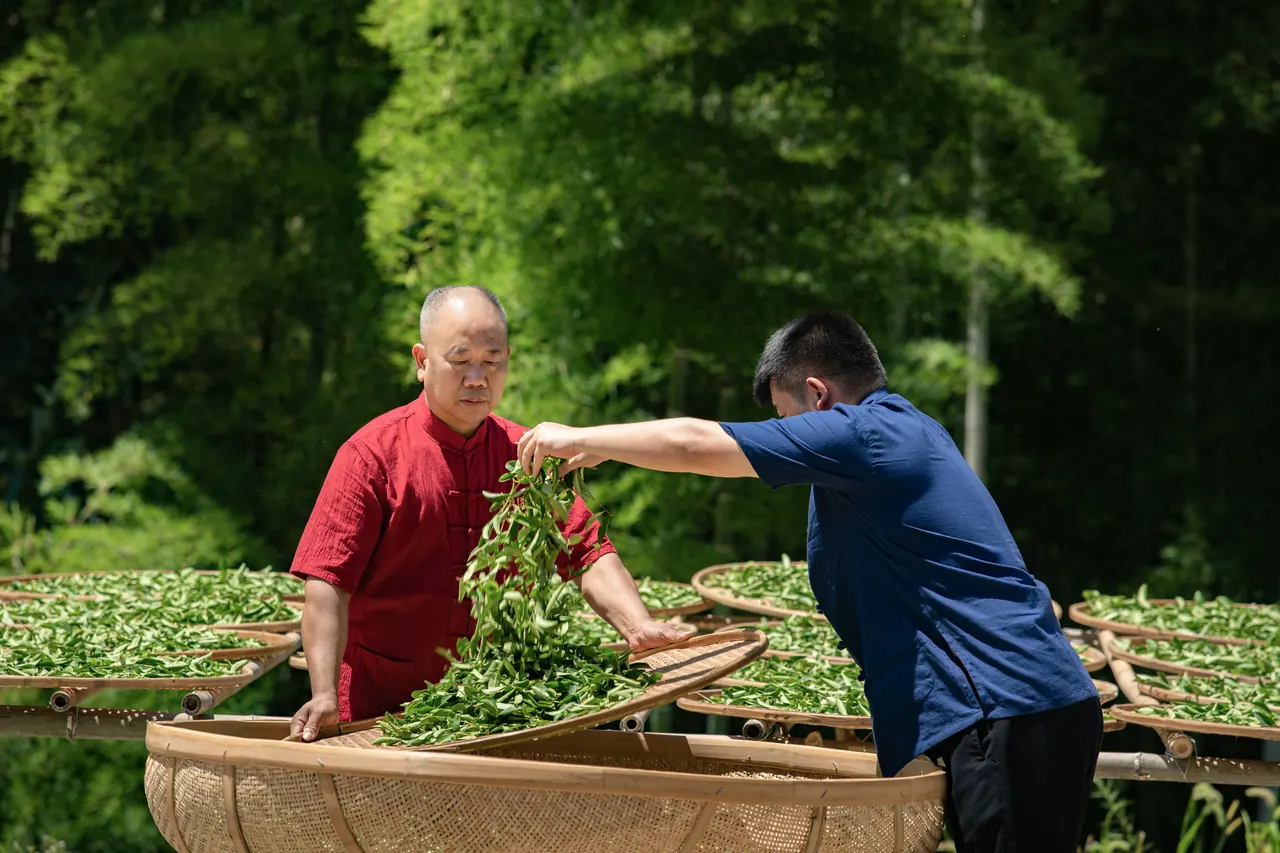
Kings Tea (Qingshenge, 清神阁) is a tea producer in Huangbai Village, Wuyishan, Fujian, China. The company grows and makes Wuyi rock tea (yancha) — mainly Rou Gui, Shui Xian and Da Hong Pao — in its own gardens and factory. Its gardens were first certified organic under China's national organic standard in 2005. Its chief tea maker, Liu Dexi, is a government-recognised inheritor of the Wuyi rock tea (Da Hong Pao) making technique.
Each one is backed by a document you can ask to see.
Our garden and processing were first certified organic on 30 September 2005. Twenty annual certificates followed in a row, and the current ones run to 29 September 2027.
Read the organic recordWuyishan's government named our chief tea maker, Liu Dexi, a representative inheritor of the Wuyi rock tea (Da Hong Pao) making technique — a craft on China's national intangible cultural heritage list since 2006.
See how the tea is madeIn January 2004 we took over the Huanglongyan tea factory and its gardens in Huangbai Village, Wuyishan. We have grown, made and roasted our tea there ever since.
See where it comes from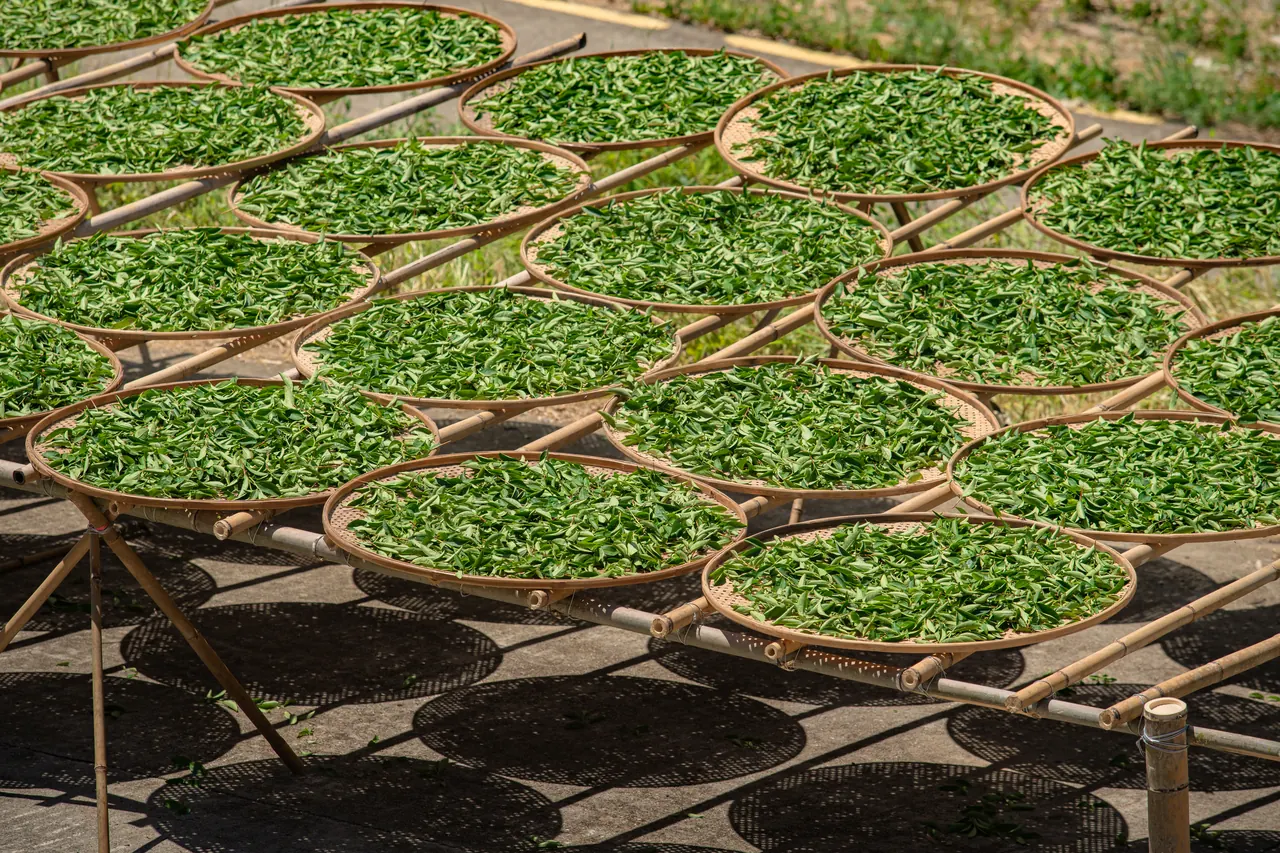
Special Prize 特等奖 for our Da Hong Pao blend
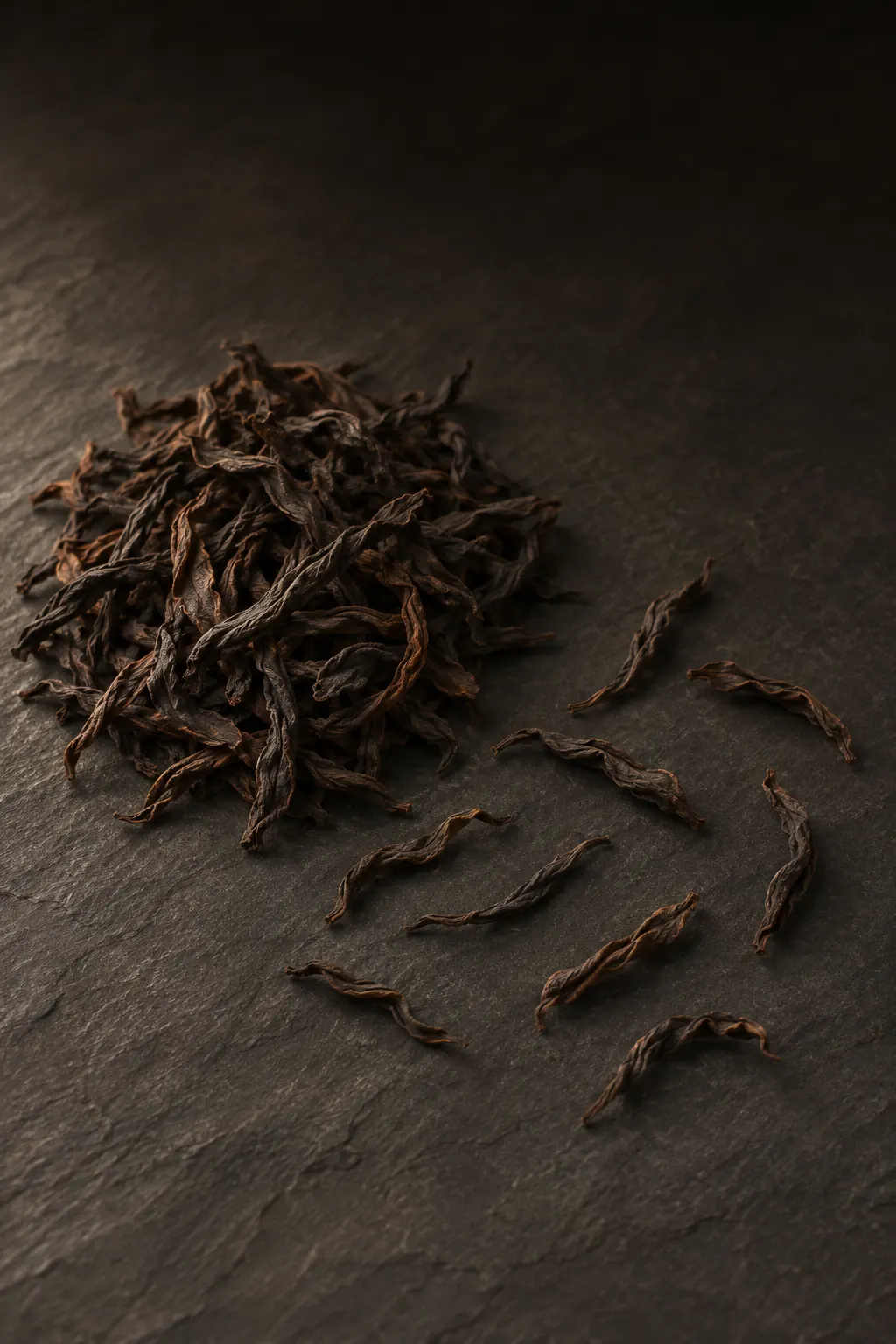
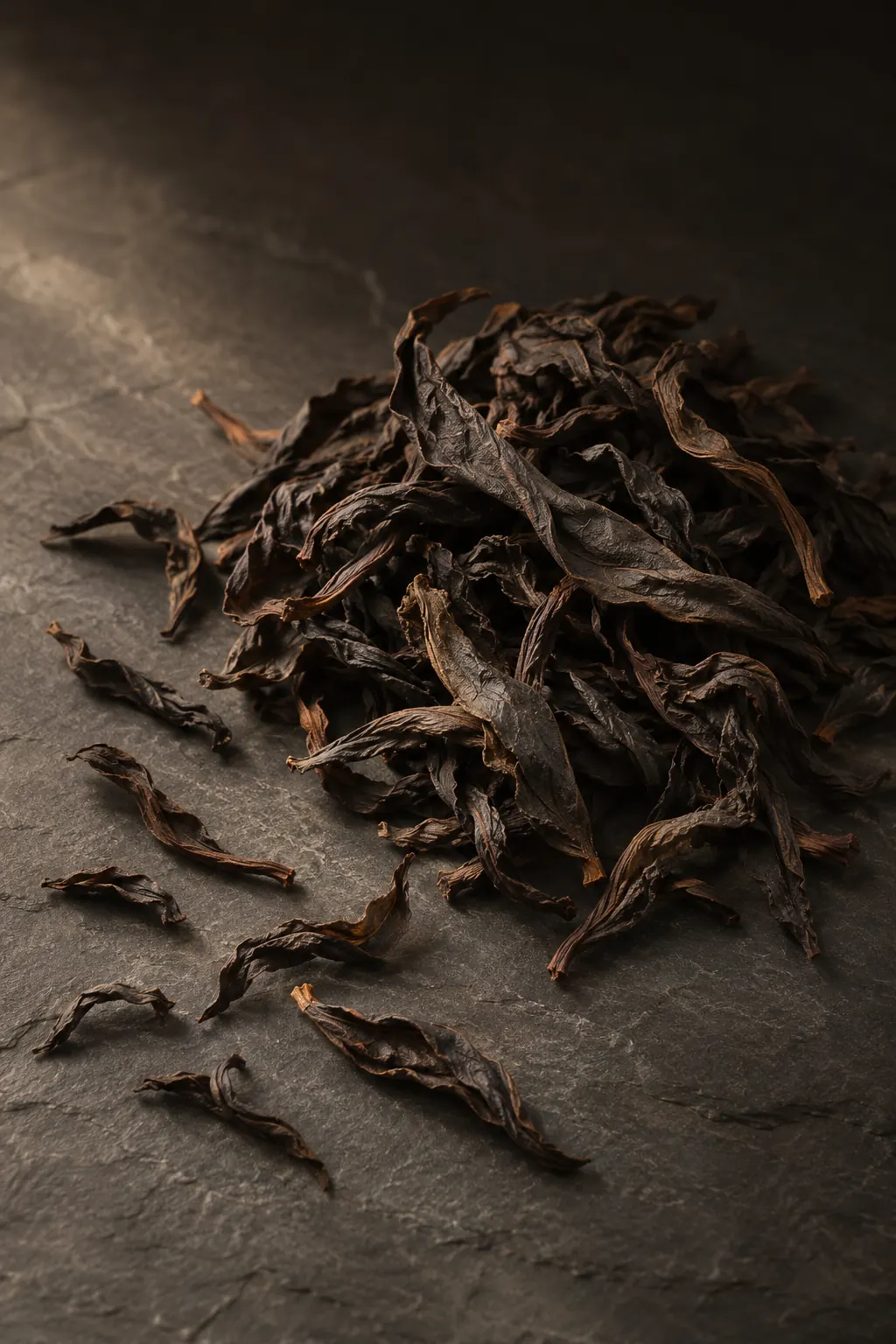
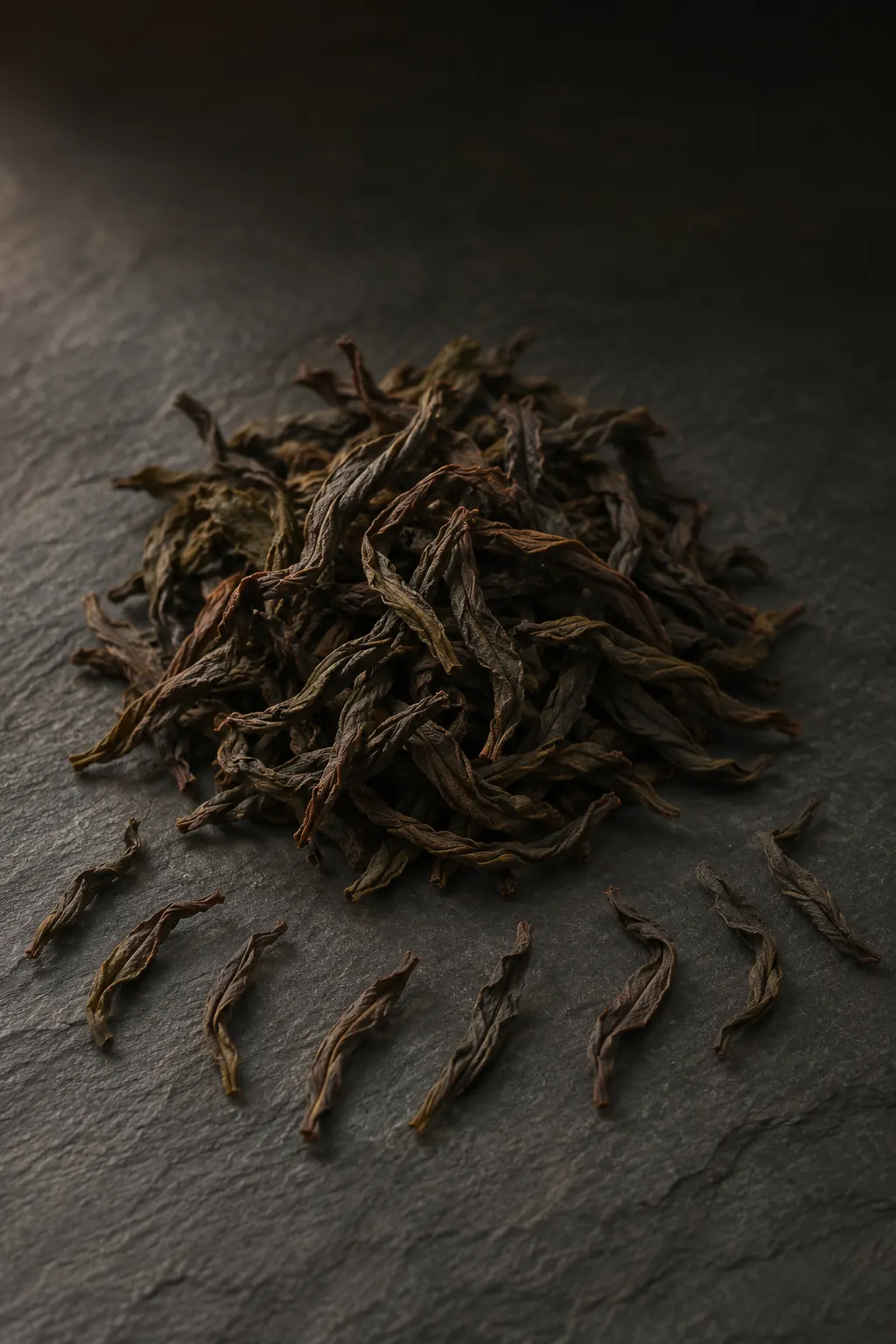
Wuyi rock tea is a roasted oolong from the Wuyi Mountains. These are the three names most people start with — each made and roasted at our factory.
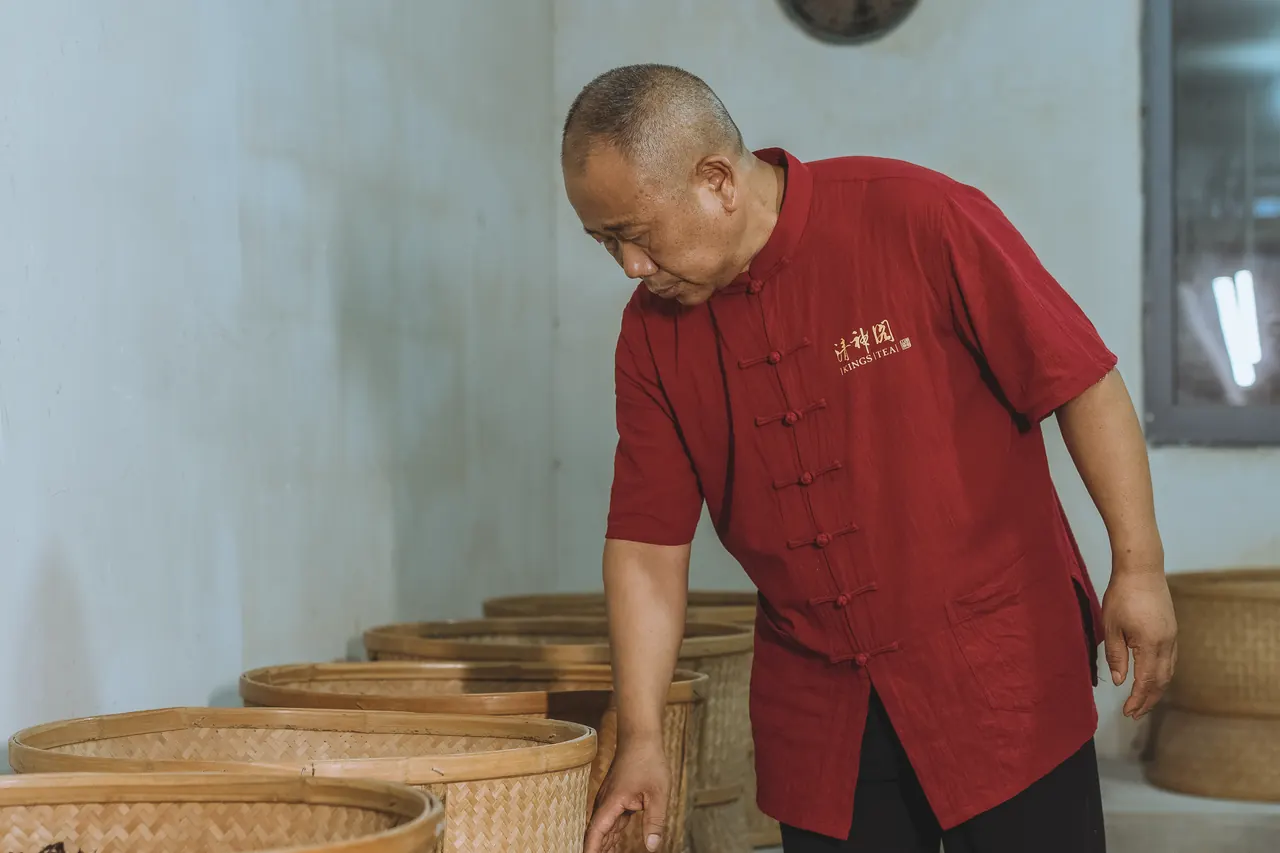
Withering, shaking, firing, rolling, roasting, tasting. The judgement at each stage — when to stop, how hot, how long — is what the heritage craft protects.
Our tea is roasted over ash-covered charcoal in woven bamboo baskets, the traditional way, under the eye of our chief tea maker Liu Dexi.
Every claim on this site points to a document. Here is what each one covers — and what it does not.
Garden 096OP1200315 and processing 096OP1200316, GB/T 19630-2019, valid to 29 September 2027. Chinese certification; no EU, USDA or JAS claim.
The organic recordRou Gui sample, lot 20260510: tested parameters within the EU limits cited (report TS2631904, August 2026). Applies to that sample only.
Read the report summaryEntry 3248005742, Da Hong Pao blend: Special Prize in the 2026 Wuyishan Spring Tea Competition, preliminary announcement of 19 August 2026.
See the entry recordYes. Kings Tea (Qingshenge) was first certified organic on 30 September 2005 under China's national organic standard. We hold twenty consecutive annual certificates covering 30 September 2005 to 29 September 2025, and our current garden (096OP1200315) and processing (096OP1200316) certificates run to 29 September 2027. These are Chinese certificates; we do not claim EU, USDA or JAS organic status. Read the organic record.
Our chief tea maker is Liu Dexi (刘德喜), who has led tea making at Kings Tea since 2005. In 2015 the Wuyishan Municipal People's Government named him a representative inheritor of the Wuyi rock tea (Da Hong Pao) making technique, a craft on China's national intangible cultural heritage list since 2006. See how the tea is made.
In our own gardens and factory in Huangbai Village, Wuyishan, Fujian, China — about 2 km from the northern boundary of the Mount Wuyi scenic area. We grow, process and roast the tea ourselves. See where it comes from.
Yes. We welcome enquiries from tea shops, importers and tea clubs. Tell us which teas interest you and where you are based; samples, prices, quantities and delivery terms are agreed for each enquiry. Start an enquiry.
Wuyi rock tea (yancha, 岩茶) is a partly oxidised, roasted oolong tea from the Wuyi Mountains in Fujian, China. It is a protected geographical-indication product, and its making technique is on China's national intangible cultural heritage list. Well-known types include Da Hong Pao, Rou Gui and Shui Xian. Read the guide.
Full list with sources: facts.json · all questions
Last updated
Tell us which teas you are looking for and where you are based. We will suggest what to taste and share the certificates and reports that apply to it.